Enhancing Learning Environments with Tailored Joinery
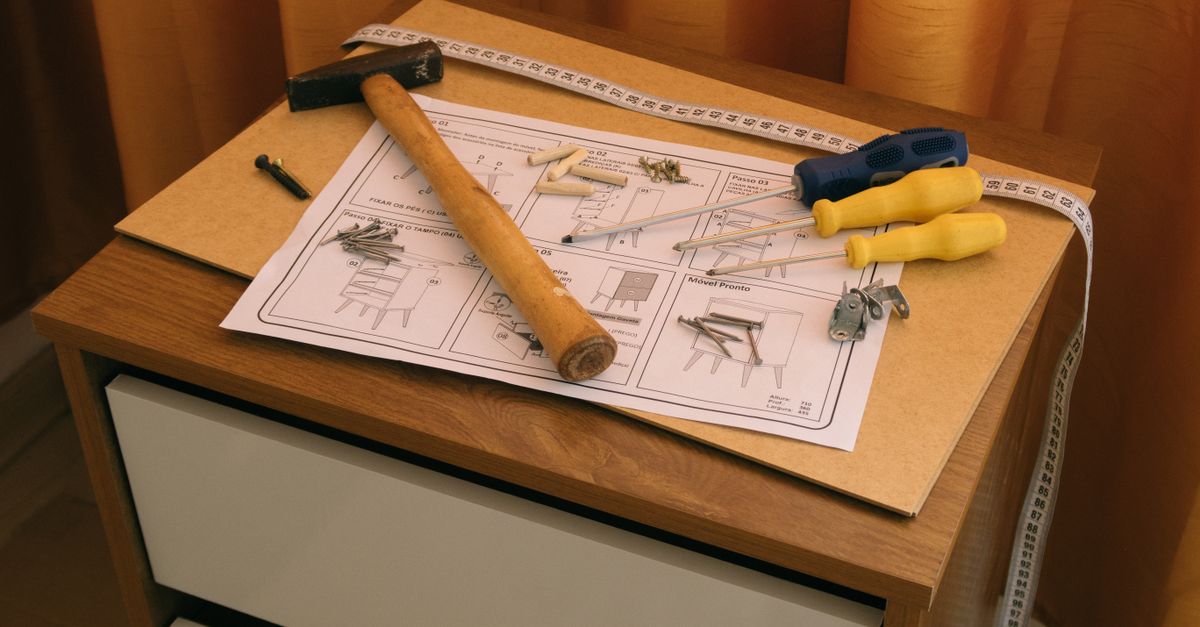
Table Of Contents
Collaborating with Designers and Educators
Effective partnerships between designers and educators are essential for creating tailored learning environments. Designers bring a wealth of aesthetic and functional knowledge, translating the educational needs into practical solutions. Collaboration often begins with meetings where both parties can share objectives, ensuring all voices are heard. Understanding the specific requirements of the educational context allows for the development of innovative furniture and layout solutions that enhance the learning experience.
Feedback from educators offers invaluable insights into how students interact with their surroundings. Regular discussions during the design phase can illuminate critical elements like ergonomics and accessibility, ensuring that the final designs cater to the diverse needs of learners. These collaborative efforts can lead to unique creations that not only meet educational goals but also inspire creativity and engagement within the learning space.
Creating a Cohesive Vision
A unified vision for a learning environment fosters an atmosphere conducive to education and engagement. Engaging educators and designers together in the early stages is vital. This collaboration ensures that all ideas align with the intended educational goals. By integrating feedback from teachers, students, and designers, the resulting space reflects the needs and aspirations of its users.
Incorporating elements of flexibility and adaptability often leads to innovative solutions that support various teaching methods. Thoughtful design choices, such as mobile furniture and multipurpose spaces, enhance interaction and facilitate collaborative learning experiences. Adopting a holistic approach in planning ensures that each aspect of the joinery complements the overall aesthetic and functional objectives of the environment. This careful integration helps create a positive and inspiring space for all.
Case Studies of Tailored Joinery in Action
Tailored joinery has been implemented in numerous educational settings, demonstrating its potential to transform learning environments. In a primary school in Melbourne, custom-built storage units and workstations were designed to foster collaboration and creativity among students. These installations not only maximised the use of space but also contributed to a vibrant atmosphere conducive to interactive learning. Teachers reported an increase in student engagement, noting that the personalised features encouraged collaboration on projects and provided areas for small group instruction.
Another noteworthy example can be found in a high school in Sydney, where bespoke cabinetry and flexible furniture layouts were integrated into newly developed classrooms. This approach allowed educators to reconfigure spaces easily according to various teaching methods and class sizes. Feedback from both educators and students highlighted the adaptability of the space, which supported different learning styles. The tailored joinery not only met functional needs but also reflected the school’s identity, making the learning environment more inviting and effective.
Real-World Examples of Success
Tailored joinery has made a significant impact in various learning environments across Australia. In a primary school in Melbourne, custom-designed reading nooks featuring inviting timber shelves have transformed underutilised corners into engaging spaces. These areas encourage children to immerse themselves in books, fostering a love for reading from a young age. Teachers have reported noticeable increases in student engagement during reading periods, highlighting the importance of thoughtful design in promoting educational outcomes.
Another notable example can be found in a high school in Sydney, where the integration of bespoke joinery into collaborative learning spaces has revolutionised group projects. Built-in workstations with integrated technology enable students to easily connect devices while staying organised. The flexibility of the furniture allows for reconfiguration based on project needs, promoting teamwork and creativity. Feedback from both students and educators reveal that these tailored environments significantly enhance interaction and facilitate deeper learning experiences.
The Process of Custom Joinery Installation
Custom joinery installation begins with a thorough consultation to understand the space and the specific needs of the learning environment. Designers and craftsmen collaborate to create detailed plans that incorporate functionality, aesthetics, and the practical requirements of educational settings. Careful consideration is given to materials, ensuring they are durable and suitable for high-usage areas. Once designs are approved, craftsmen can commence the fabrication process, utilising advanced techniques and equipment to bring the vision to life.
The next phase involves precise installation of the custom joinery elements. Skilled professionals ensure that each component fits seamlessly within the designated space. This step is crucial for both the longevity of the joinery and the overall harmony of the learning environment. Throughout the process, communication remains key to address any arising issues promptly. Attention to detail in this phase helps guarantee that the final outcome meets the educational objectives set forth at the beginning.
Steps from Design to Execution
The journey from design to execution in custom joinery involves several critical stages. Initially, designers collaborate closely with educators to gather insights about the specific needs of the learning environment. This stage often includes site visits and consultations to understand the layout, physical constraints, and desired aesthetics. The insights collected inform the creation of preliminary designs, ensuring that the proposed joinery solutions effectively address both functionality and style.
Once the designs are finalised and approved, the project transitions into the production phase. Skilled craftsmen utilise high-quality materials to bring the designs to life, adhering to strict timelines and quality standards. During installation, close attention is paid to detail, guaranteeing that every piece not only fits perfectly but also complements the educational setting. Continuous communication between the design team and installation crew helps to navigate adjustments and ensures that the final outcome aligns with the original vision. This meticulous process underscores the value of custom joinery in creating transformative learning spaces.
FAQS
What is tailored joinery?
Tailored joinery refers to custom-made furniture and fixtures designed specifically to meet the functional and aesthetic needs of a particular space, particularly in learning environments.
How can tailored joinery improve learning environments?
Tailored joinery enhances learning environments by creating functional, flexible, and inspiring spaces that cater to the specific needs of educators and students, promoting better engagement and collaboration.
What role do designers and educators play in the process of creating tailored joinery?
Designers and educators work together to establish a cohesive vision, ensuring that the joinery meets both aesthetic and educational requirements, while also fostering a conducive learning atmosphere.
Can you provide examples of successful tailored joinery projects?
Yes, the article includes case studies that highlight real-world examples of tailored joinery projects, showcasing how they have effectively transformed learning spaces in various educational settings.
What are the main steps involved in the custom joinery installation process?
The process typically involves several key steps, including initial consultation and design, material selection, fabrication, and finally, the installation of the custom joinery in the learning environment.
Related Links
Sustainable Materials in Educational Facility JoineryInnovative Joinery Solutions for Modern Classrooms in Newcastle
Collaborating with Architects for Outstanding Educational Spaces
Integrating Technology into Educational Joinery Designs
Custom Storage Solutions for Educational Institutions
Safety and Durability in Educational Joinery Projects
Functional Joinery Designs for Universities and Colleges
Acoustic Joinery Installations for Improved Classroom Environments
Creating Flexible Spaces: The Role of Joinery in Schools